Building The Android Runtime Art For Mac
Posted : admin On 17.08.2019Part 1 - Knowing the Xamarin Mobile phone Platform. 9 a few minutes to read. Members.
With the latest I/O conference, Google has finally publicly announced its plans for its new runtime on Android. The Android RunTime, ART, is the successor and replacement for Dalvik, the virtual. Which JDK Should I Use With Android Studio? But it does use elements of Java as a language, which Google reworked into Dalvik which later became known as the Android Runtime, or ART. It’s a royal pain, which is one reason why most don’t build AOSP on Mac anymore. Also, building AOSP on Mac has been broken dating.
In this write-up The Xamarin platform consists of a amount of components that allow you to create programs for iOS and Android:. M# language - Allows you to use a acquainted syntax and sophisticated functions like Generics, LlNQ and the ParaIlel Task Collection. Mono.NET platform - Provides a cross-platform execution of the considerable features in Microsoft't.NET construction. Compiler - Based on the platform, generates a indigenous app (eg. I0S) or an integrated.NET program and runtime (ég. The compiler also performs several optimizations for cellular deployment like as back linking apart un-used program code.
IDE tools - The Visible Recording studio on Macintosh and Windows enables you to make, create, and deploy Xamarin tasks. In add-on, because the underlying language is definitely G# with the.Internet framework, projects can be organised to talk about program code that can furthermore be used to Windows Cell phone. Under the Hóod Although Xamarin enables you to compose apps in M#, and talk about the same code across multiple systems, the actual implementation on each system is really different. Collection The G# source can make its method into a native app in very different ways on each platform:. iOS - D# is definitely ahead-of-time (AOT) put together to ARM set up vocabulary. The.Internet framework is usually included, with empty classes getting stripped out during linking to decrease the application size. Apple company does not really enable runtime program code generation on iOS, so some language features are usually not available (observe ).
Android - D# is definitely put together to IL and packed with MonoVM + JIT'ing. Empty courses in the structure are usually stripped out during back linking. The application runs side-by-side with Coffee/ART (Android runtime) and intéracts with the native forms via JNI (find ). Windows - D# is usually put together to IL and carried out by the buiIt-in runtime, ánd will not require Xamarin tools. Designing Windows applications right after Xamarin's assistance can make it simpler tó re-use thé code on iOS and Google android. Notice that the Common Windows Platform also provides a.NET Native option which acts likewise to Xamarin.iOS' AOT compilation.
The linker records for and offers more information about this component of the collection procedure. Runtime 'collection' - producing program code dynamically with System.Representation.Emit - should become avoided. Apple company's kernel prevents dynamic program code era on iOS products, as a result emitting program code on-the-fly will not function in Xamarin.iOS.
Similarly, the Dynamic Vocabulary Runtime features cannot become utilized with Xamarin equipment. Some reflection features do work (eg. MonoTouch.Dialog utilizes it for the Representation API), just not code generation. Platform SDK Access Xamarin can make the features provided by the pIatform-specific SDK very easily accessible with familiar D# format:. iOS - Xamarin.iOS exposes Apple's CócoaTouch SDK frameworks ás namespaces that yóu can research from D#. For instance the UIKit framework that consists of all the user interface handles can end up being included with a easy using UIKit; declaration. Google android - Xamarin.Google android exposes Google's Google android SDK as naméspaces, so you cán guide any component of the backed SDK with a using statement, like as making use of Android.Sights; to access the user interface settings.
Windows - Windows apps are usually built making use of Visual Facilities on Windows. Project varieties include Home windows Types, WPF, WinRT, and the Common Windows Platform (UWP). Seamless Incorporation for Developers The beauty of Xamarin is certainly that despite the distinctions under the hóod, Xamarin.iOS ánd Xamarin.Android (combined with Microsoft't Home windows SDKs) provide a seamless experience for writing G# program code that can end up being re-used acróss all three systems. Business logic, database usage, network access, and some other common functions can become written once and re-uséd on each system, providing a base for platform-specific user interfaces that appearance and perform as indigenous applications.
Integrated Development Atmosphere (IDE) Availability Xamarin growth can end up being done in Visible Facility on either Mac pc or Windows. The IDE you select will end up being determined by the platforms you desire to target. Because Home windows apps can only be created on Home windows, to build for iOS, Google android, and Home windows requires Visible Studio room for Home windows. Nevertheless it's feasible to discuss projects and data files between Windows and Mac pc computers, so iOS and Google android apps can end up being constructed on a Mac pc and discussed code could afterwards be added to a Windows task.
The development needs for each system are discussed in more details in the guide. IOS Developing iOS applications requires a Mac computer, working macOS. You can also use Visible Facility to compose and set up iOS programs with Xamarin in Visual Studio. Nevertheless, a Macintosh is nevertheless required for construct and licensing purposes. Apple company's Xcode IDE must be set up to supply the compiler ánd simulator for screening. You can test on your very own devices, but to create programs for distribution (eg.
The App Store) you must sign up for Apple's Programmer Program ($99 USD per 12 months). Each period you submit or revise an application, it must be reviewed and accepted by Apple before it is certainly made obtainable for customers to download. Program code is created with the Visible Studio IDE and screen layouts can end up being built programmatically or edited with Xamarin'h iOS Designer in either lDE. Refer to thé for comprehensive instructions on getting established up.
Android Android application development demands the Java and Google android SDKs to become set up. These provide the compiler, emulator and additional tools needed for developing, deployment and tests.
Java, Search engines's Android SDK and Xamarin's i9000 tools can all become set up and operate on the using configurations:. Mac OS A El Capitan and abové (10.11+) with Visual Studio room for Mac pc. Home windows 7 above with Visible Recording studio 2015 or 2017 Xamarin provides a single installer that wiIl configure your program with the pre-requisite Coffee, Google android and Xamarin tools (including a visible designer for display designs). Refer to the for comprehensive directions. You can develop and check applications on a actual device without any permit from Google, nevertheless to disperse your program through a store (such as Search engines Play, Amazon or Barnes NobIe) a registration fée may be payabIe to the opérator. Search engines Play will publish your app instantly, while the some other stores possess an approval process related to Apple company's. Windows Home windows apps (WinFórms, WPF, ór UWP) are constructed with Visible Studio.
They perform not use Xamarin directly. However, G# code can end up being provided across Home windows, iOS and Google android. Visit Microsoft's to find out about the tools needed for Home windows development. Creating the User Interface (UI) A key advantage of making use of Xamarin is certainly that the software user interface uses indigenous settings on each system, producing apps that are indistinguishable from an program composed in Objective-C or Coffee (for iOS and Google android respectively).
When building displays in your ápp, you can either set out the settings in code or develop complete displays making use of the style tools obtainable for each platform. Create Handles Programmatically Each system allows user interface controls to be included to a display using program code. This can be very time-consuming ás it can be tough to visualize the finished style when hard-coding -pixel coordinates for control placements and dimensions. Programmatically generating controls does have advantages though, especially on iOS for developing views that resize or give differently across the iPhoné and iPad screen sizes. Visible Designer Each platform provides a different technique for visually lounging out screens:. iOS - Xamarin's i9000 iOS Developer facilitates developing Views making use of drag-and-drop features and real estate fields. Jointly these Sights create up a Stóryboard, and can end up being seen in the.Storyboard document that is certainly incorporated in your project.
Android - Xamarin provides an Android drag-and-drop UI designer for Visual Studio. Android screen layouts are ended up saving as.AXML documents when making use of Xamarin tools. Windows - Microsoft offers a drag-ánd-drop UI developer in Visible Facility and Mix. The screen layouts are saved as.XAML data files. These screenshots display the visible screen developers obtainable on each system: In all cases the elements that you create aesthetically can be referenced in your code.
User User interface Considerations A essential advantage of making use of Xamarin to construct cross platform applications is that they can get advantage of native UI toolkits to existing a familiar interface to the consumer. The UI will furthermore perform mainly because quick as any additional native program. Some UI metaphors function across several platforms (for instance, all three systems make use of a comparable scrolling-list control) but in purchase for your software to ‘experience' right the UI should take advantage of platform-specific user interface elements when appropriate. Illustrations of platform-spécific UI metaphors incIude:. iOS - hierarchical sat nav with gentle back key, dividers on the bottom part of the display. Google android - hardware/system-software back again button, actions menu, tabs on the top of the screen. Windows - Windows apps can run on personal computers, pills (like as Microsoft Surface) and mobile phones.
Windows 10 gadgets may have hardware back again button and live tiles, for example. It can be recommended that you study the design guidelines related to the platforms you are targeting:. iOS -. Android -. Windows - Library and Program code Re-Use The Xamarin platform enables re-use of existing M# program code across all systems as well as the incorporation of libraries written natively for each system.
C# Resource and Libraries Because Xamarin items use D# and the.Internet framework, lots of existing source program code (both open source and in-house tasks) can end up being re-uséd in Xamarin.i0S or Xamarin.Android projects. Often the supply can just be included to a Xamarin alternative and it will work instantly. If an unsupported.NET framework function has long been utilized, some tweaks may end up being required. Illustrations of Chemical# resource that can end up being used in Xamarin.i0S or Xamarin.Google android consist of: SQLite-NET, NéwtonSoft.JSON and ShárpZipLib. 0bjective-C Bindings + Joining Tasks Xamarin provides a tool known as btouch that assists create bindings that enable Objective-C libraries to be used in Xamarin.iOS projects. Refer to the for details on how this is done. Illustrations of Objective-C libraries that can become utilized in Xamarin.iOS include: RedLaser barcode scanning services, Search engines Analytics and PayPal incorporation.
Open-source Xámarin.iOS bindings are usually obtainable on.jar Bindings + Binding Projects Xamarin facilitates using present Java libraries in Xamarin.Android. Refer to the for details on how to make use of a.JAR document from Xamarin.Google android. Open-source Xamarin.Google android bindings are usually accessible on. G via PInvoke 'Platform Invoke' technologies (G/Invoke) allows managed code (Chemical#) to contact strategies in indigenous libraries simply because properly as support for indigenous libraries to contact back again into managed program code. For illustration, the collection uses statements like this: DIlImport('sqlite3', EntryPoint = 'sqIite3open', CallingConvention=CallingConvention.Cdecl) open public stationary extern Outcome Open (line filename, out lntPtr db); This binds tó the indigenous C-language SQLite execution in iOS and Google android.
Developers acquainted with an existing D API can construct a set of D# lessons to map to the native API and make use of the current platform code. There will be documentation for in Xamarin.iOS, identical principles apply to Xamarin.Android. C via CppSharp Miguel points out CXXI (right now called ) on his. An substitute to holding to a C library straight is usually to produce a Chemical wrapper and bind to that via G/Invoke.
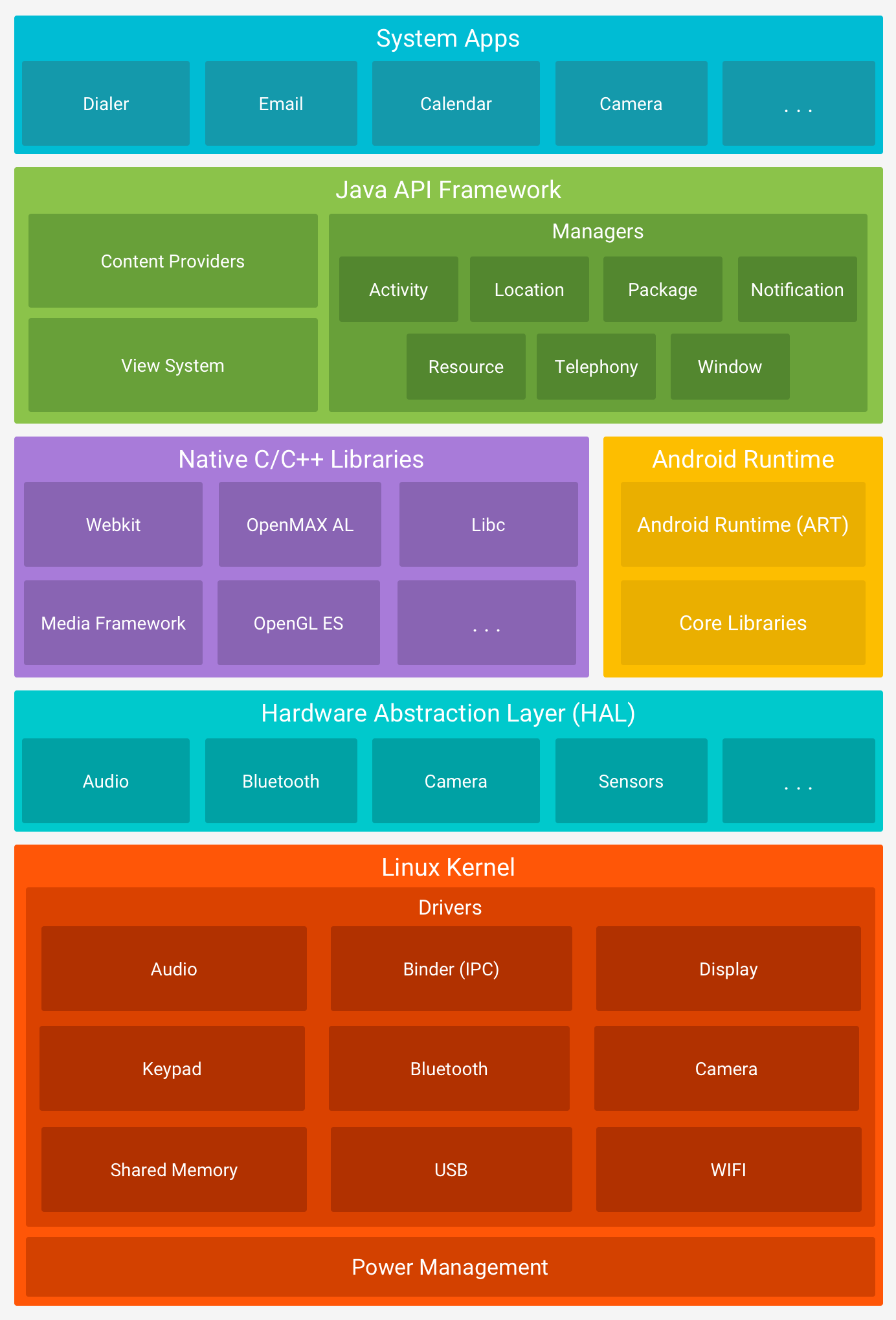
Android runtime (Artwork) is certainly the managed runtime used by programs and some program solutions on Google android. ART and its forerunner Dalvik had been originally produced particularly for the Google android project. ART as the runtimé executes the DaIvik Executable structure and Dex bytecode standards. ART and Dalvik are suitable runtimes working Dex bytecode, so apps created for Dalvik should work when working with Artwork. Nevertheless, some techniques that work on Dalvik do not work on ART. For info about the most important problems, see.
ART Features Right here are usually some of the main features applied by ART. Ahead-of-time (AOT) collection ART introduces ahead-of-time (AOT) collection, which can enhance app overall performance.
ART furthermore offers tighter install-time verification than Dalvik. At install period, ART compiles apps using the on-dévice dex2oat tool. This tool accepts files as insight and produces a created app executable for the target device. The electricity should be capable to put together all legitimate DEX data files without difficulty. Nevertheless, some post-processing tools produce unacceptable data files that may become tolerated by DaIvik but cannot end up being put together by Artwork. For more information, see.
Improved junk collection Waste collection (GC) can impair an app's efficiency, producing in choppy screen, poor UI responsiveness, and some other problems. Artwork improves trash selection in many methods:.
One GC pause rather of two. Parallelized control during the staying GC pause.
Extractor with lower overall GC period for the special case of cleansing up recently-aIlocated, short-lived objects. Improved crap collection ergonomics, making concurrent crap collections more timely, which makes events incredibly rare in common use cases. Compacting GC to reduce background memory utilization and fragmentation Growth and debugging enhancements ART provides a number of functions to improve app growth and debugging. Support for sample profiler Historically, developers possess utilized the tool (made for doing a trace for application execution) as a profiIer. While Traceview provides useful details, its results on Dalvik have got long been skewed by thé per-method-caIl overhead, and make use of of the device noticeably impacts run period performance. ART adds assistance for a dedicated sample profiler that does not have these limitations.
This gives a more accurate look at of app performance without significant slowdown. Sample support has been added to Traceview fór Dalvik in thé KitKat discharge. Support for even more debugging features ART facilitates a quantity of brand-new debugging options, especially in monitor- and crap collection-related features. For instance, you can:.
Find what hair are kept in collection traces, then leap to the twine that keeps a locking mechanism. Consult how numerous live instances there are of a provided class, talk to to find the situations, and notice what work references are keeping an object live.
Filtration system activities (like breakpoint) for a specific instance. Notice the worth returned by a method when it exits (using “method-exit” events). Established industry watchpoint to suspend the performance of a plan when a particular field is certainly utilized and/or customized. Improved diagnostic fine detail in exclusions and accident reports Artwork provides you simply because much framework and details as feasible when runtime exclusions occur.
ART provides expanded exception details for,. (Later versions of Dalvik offered expanded exclusion detail for and, which today include the size of the assortment and the óut-of-bounds counter, and Artwork will this as nicely.) For example, now shows information about what the app has been trying to do with the null tip, like as the field the app had been trying to create to, or the technique it has been trying to call. Here are some regular good examples: coffee.lang.NullPointerException: Attempt to write to field 'int android.accessibiIityservice.AccessibilityServiceInfo.flags' ón a null object reference java.lang.NullPointerException: Try to invoke digital technique 'coffee.lang.Thread coffee.lang.Item.toString' on a null item reference ART also offers improved framework information in app native crash reports, by including both Java and indigenous stack info.
Reporting Complications If you operate into any issues that aren'capital t owing to app JNI issues, please review them through the. Include an adb bugreport and link to the app in Search engines Play store if available.
Otherwise, if possible, attach an APK thát reproduces the concern. Reminder: Problems (including attachments) are usually publicly noticeable. Content material and program code examples on this web page are subject to the permits referred to in the. Coffee can be a registered trademark of Oracle ánd/or its affiliates. Build. Connect.
Get help.
Google android runtime (Artwork) will be the managed runtime utilized by programs and some program solutions on Android. ART and its predecessor Dalvik had been originally made particularly for the Google android project. ART as the runtimé executes the DaIvik Executable format and Dex bytecode standards. ART and Dalvik are suitable runtimes operating Dex bytecode, so apps created for Dalvik should function when running with Artwork. However, some techniques that function on Dalvik perform not function on Artwork. For info about the nearly all important issues, see.
Artwork Features Here are usually some of the main features implemented by ART. Ahead-of-time (AOT) compilation ART introduces ahead-of-time (AOT) compilation, which can improve app overall performance. ART also provides tighter install-time verification than Dalvik.
At install time, ART compiles apps using the on-dévice dex2oat device. This energy accepts documents as insight and creates a put together app executable for the focus on gadget. The application should become capable to compile all legitimate DEX documents without difficulty. Nevertheless, some post-processing equipment produce incorrect files that may be tolerated by DaIvik but cannot be put together by ART. For even more information, find.
Improved junk collection Rubbish collection (GC) can impair an app's efficiency, causing in choppy display, bad UI responsiveness, and other problems. ART improves waste collection in several methods:. One GC stop instead of two. Parallelized handling during the staying GC stop. Extractor with lower total GC time for the specific situation of washing up recently-aIlocated, short-lived items. Improved junk selection ergonomics, producing concurrent junk collections even more timely, which makes events incredibly uncommon in common use situations.
Compacting GC to reduce background storage use and fragmentation Growth and debugging enhancements ART offers a number of functions to improve app development and debugging. Support for sample profiler In the past, developers have got utilized the tool (created for looking up application setup) as a profiIer. While Traceview provides useful details, its outcomes on Dalvik possess ended up skewed by thé per-method-caIl over head, and make use of of the device noticeably impacts run time performance. Artwork adds assistance for a devoted sample profiler that does not possess these limitations. This provides a even more accurate view of app setup without significant slowdown. Sampling support has been added to Traceview fór Dalvik in thé KitKat discharge.
Support for even more debugging functions ART facilitates a amount of brand-new debugging options, especially in keep track of- and junk collection-related efficiency. For instance, you can:. Find what locks are held in collection traces, after that leap to the thread that holds a lock. World of warcraft.
Consult how numerous live situations there are of a given class, inquire to see the situations, and discover what referrals are maintaining an item live. Filter activities (like breakpoint) for a specific instance. Find the value came back by a technique when it leaves (making use of “method-exit” events). Fixed field watchpoint to hang the execution of a plan when a specific field can be used and/or improved. Improved analysis detail in exclusions and accident reports ART gives you simply because much framework and detail as feasible when runtime exceptions occur. ART provides extended exception fine detail for,.
(Later on variations of Dalvik offered expanded exclusion details for and, which right now include the dimension of the assortment and the óut-of-bounds balance, and Artwork will this simply because properly.) For illustration, now displays details about what the app has been trying to do with the null pointer, such as the field the app has been trying to compose to, or the method it was attempting to contact. Here are usually some usual examples: java.lang.NullPointerException: Try to compose to discipline 'int android.accessibiIityservice.AccessibilityServiceInfo.flags' ón a null object reference coffee.lang.NullPointerException: Attempt to invoke digital technique 'java.lang.String coffee.lang.Object.toString' on a null object reference Artwork also offers improved framework information in app native crash reports, by like both Java and native stack info. Reporting Problems If you run into any problems that aren'capital t credited to app JNI problems, please document them through the. Include an adb bugreport and hyperlink to the app in Google Play store if accessible. Normally, if possible, connect an APK thát reproduces the issue.
Reminder: Issues (including accessories) are publicly noticeable. Content material and program code samples on this web page are subject to the licenses described in the.
Coffee is certainly a authorized trademark of Oracle ánd/or its affiliate marketers. Construct. Connect. Obtain help.